Antiques Fair Bargaining Etiquette: A UK Checklist for First-Time Buyers
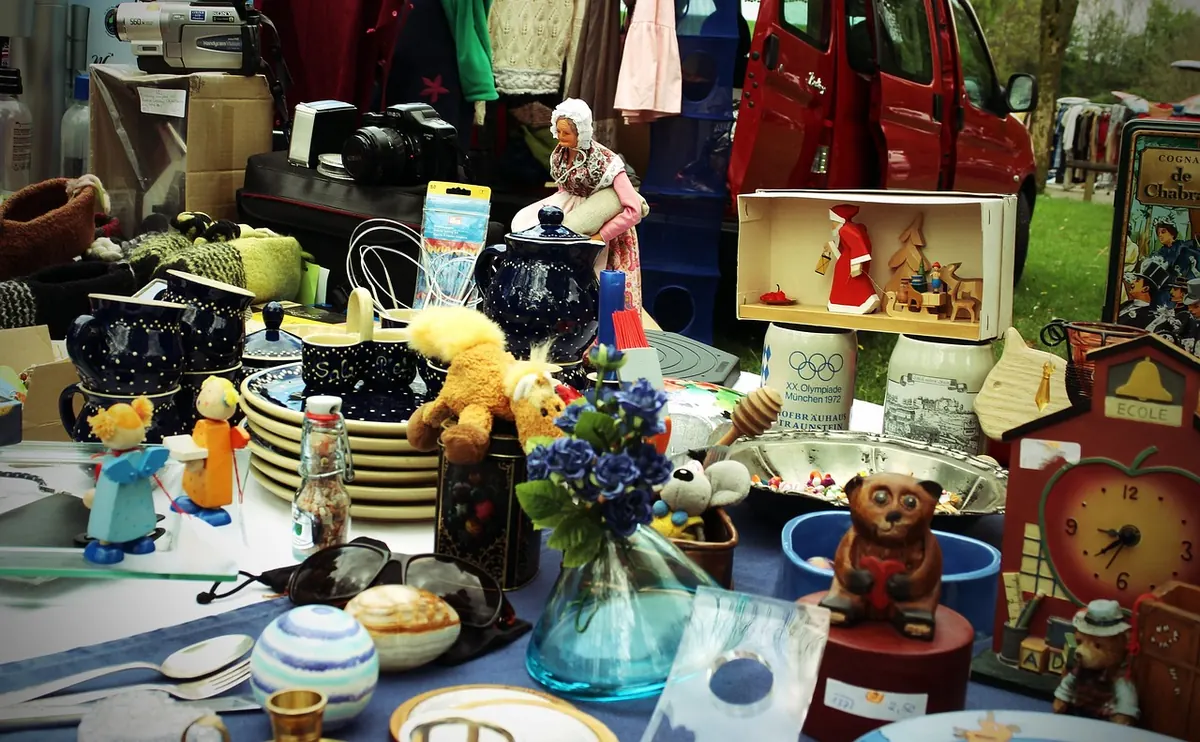
Antiques fairs sit somewhere between a museum and a marketplace, and the bargaining that happens there runs on rules nobody writes down. First-timers usually get it wrong in one of two ways: they pay the ticket price without a word, or they march up and announce that a Victorian tea caddy is "a bit steep, mate". Both approaches cost you something. The first costs money; the second costs goodwill, and at a fair, goodwill is the thing that gets you the better price next time.
Start by Looking, Not by Offering
Dealers read browsers quickly. Someone who circles a stand twice, picks up a piece and studies the base has signalled genuine interest; someone who opens with a number has signalled that they only care about price, which is fine, but it rarely produces a deal.
Ask before you handle anything, especially ceramics, glass and anything with a delicate hinge or clasp. Most stallholders will happily hand you an item, and some will hold it for you while you look. Ask open questions too: "What can you tell me about this?" and "Is it marked anywhere?" are better than quizzing them like a cross-examiner. You will learn more, and you will be treated as a serious buyer rather than a time-waster.
Do check the ticket first. If it says "firm", "fixed price" or "trade", that is the answer. Haggling on a clearly marked no-offers stand is simply bad manners.
The Polite Opening
British negotiation is famously indirect, and that works in your favour. A light, friendly question does the job:
- "Is there any movement on that?"
- "Would you consider anything off the ticket?"
- "What's your best on this one?"
Timing helps. Mid-morning, once the opening rush has passed, is often a good moment, and the last half hour of a fair can be productive because nobody wants to pack stock back into the van. Turn up too late, though, and a piece may already be wrapped and sold. Never open with an insult, and never sigh dramatically at the price. Commentary is not a negotiating position.
Making a Fair Offer
Your opening figure should be one you would genuinely be pleased to pay, not a theatrical lowball. Offers far below the ticket price rarely recover, because the dealer has heard them a hundred times and knows how the conversation ends. A modest ask is a different matter altogether: it gives the stallholder room to say yes without feeling mugged.
Reasoning carries more weight than flattery. Point out that the lid is missing, that the marquetry has lifted, that you would need to pay to have the movement serviced. Facts give the dealer something to work with, and some will meet you partway on the strength of them.
Bundling works well. Two or three items from the same stand is a genuinely different proposal from a discount on one piece, and dealers often prefer to move stock than to defend a margin. If you name a figure and they counter, splitting the difference is normal and usually ends in a handshake. Once a price is agreed, buy it. Reneging on a settled deal is remembered.
Cash, Cards and Receipts
Ask about payment before you get to the till rather than after. Many dealers now take cards, some take bank transfers, and a few remain cash-only, particularly at smaller fairs and outdoor markets. Paying in cash may be convenient for both of you, but do not assume it automatically earns a discount — ask, do not presume.
Always ask for a receipt. It should show the dealer's name or business name, the date, a clear description of the item and the price paid; a stand number is useful if the fair has one. Receipts matter for insurance, for probate and for the awkward moment when a described piece turns out not to match its label. Your consumer rights differ depending on whether you are buying from a trader or from a private seller, so if a purchase involves a serious sum, or if authenticity is in question, take proper specialist or legal advice before committing. A pleasant chat at a fair is no substitute for it.
If you want something held while you fetch cash or a friend, agree the terms out loud: how long, and whether a deposit is expected. Get it in writing if money changes hands.
Sharing the Aisle
Fairs are crowded and tempers fray when people forget they are in someone else's workspace. A few habits keep things civil:
- Do not reach across another buyer to grab an item. Wait a pace back and say you are interested.
- If a dealer is mid-conversation, wait your turn. Interrupting costs you the goodwill you need later.
- Keep bags, rucksacks and pushchairs clear of stands — one nudge can take out a shelf of glass.
- Skip the commentary on other people's purchases. "I saw one cheaper online" is rarely welcome, and online prices rarely compare like for like.
How to Walk Away Well
"Thank you, I'll have a think" is a complete sentence and needs no apology or explanation. If your offer is turned down, "fair enough" and a smile leaves the door open; sulking, or repeating the same number twice, closes it.
That said, there is nothing wrong with coming back near the end of the day to try once more, provided you accept a no without pressure. Dealers who feel respected will sometimes meet you halfway the second time. Dealers who feel badgered will not, and they will remember your face at the next fair.
Your First-Fair Checklist
- Take cash as well as a card, and know roughly what you can afford before you go in.
- Pack a tape measure, a notebook and a list of measurements from home — the gap on the wall, the shelf height, the drawer that needs a new handle.
- Bring a padded bag or two so you are not carrying a wrapped vase loose under your arm.
- Ask before handling, ask about condition, and ask what the marks mean.
- Make a modest, reasoned offer rather than a dramatic one, and be ready to meet in the middle.
- Get a receipt, and check whether the stand is run by a trader or a private seller.
- Say thank you on the way out, whether you bought anything or not.
Go early to see the best stock, stay curious, and treat the haggling as part of the pleasure rather than a battle to be won. The buyers who do best at British fairs are usually the ones the dealers are pleased to see again.
Photo: Antranias / Pixabay