Beginner's Guide to Collecting Ancient Coins: Cleaning, Storage and Legalities
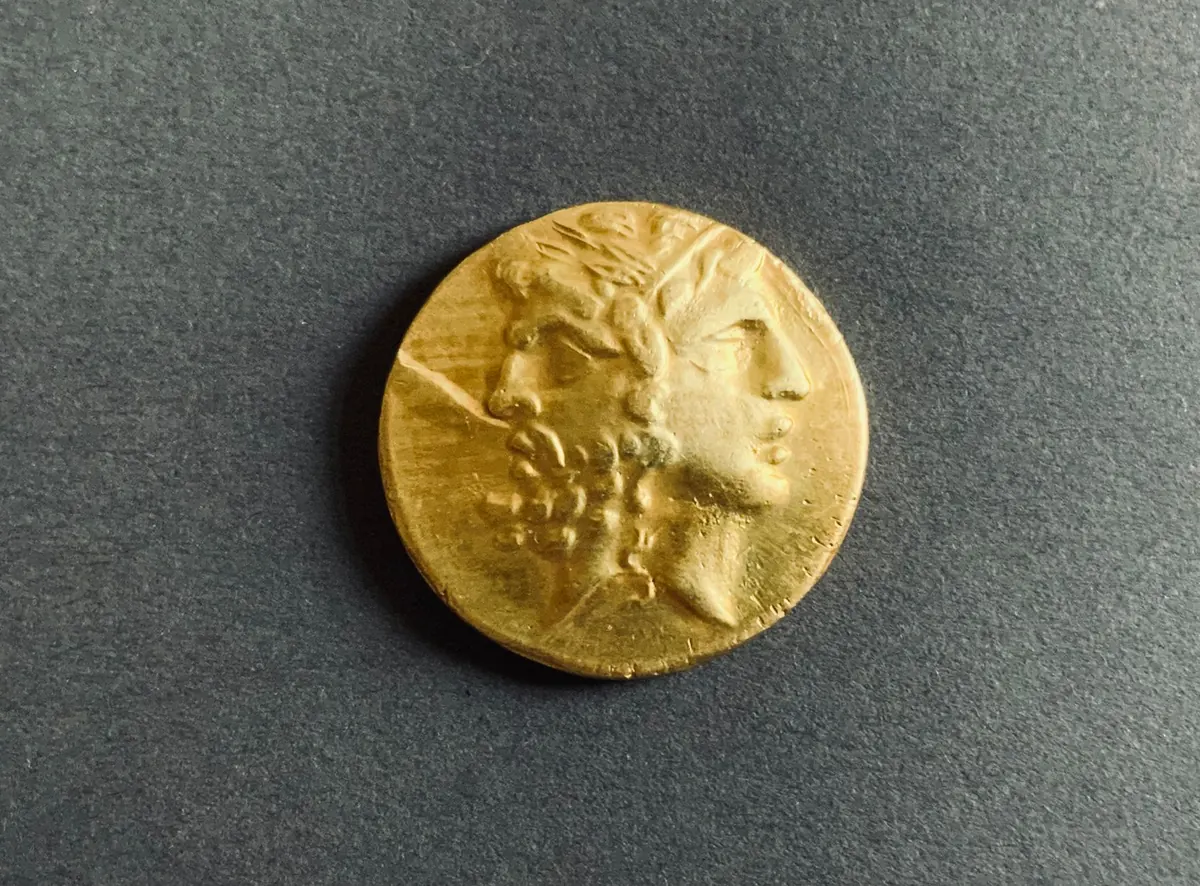
Ancient coins are small, tough and surprisingly attainable. A bronze of Constantine, a silver denarius of Trajan, a Hellenistic tetradrachm with a worn but readable face — these turn up regularly at fairs, auctions, dealer lists and country house sales. Collecting them teaches history, art and metallurgy at once, and it does not demand a museum budget. What it does demand is care. Ancient metal is easy to damage, easy to store badly, and in the UK it sits inside a set of rules about finds, exports and ownership that every collector should understand before they buy or dig.
Pick a period before you pick a coin
The single most common beginner's mistake is buying a mixed bag of twenty unattributed coins and hoping something clicks. It rarely does. Choose a narrow area first: late Roman bronze, silver denarii of the Republic and early Empire, Greek civic coinage, Byzantine folles, or Celtic issues from Britain. Then read about that area until the names and types feel familiar.
Narrow collecting is cheaper, too. Dealers price common coins low when they know the buyer can identify them; the same coins sell for more to someone who has to be told what they are. A specialist collector also spots the good detail on a worn coin, whereas a generalist sees only wear.
Learn to identify what you own
Attribution is the backbone of the hobby. Get into the habit of reading a coin from the outside in: obverse legend, portrait style, reverse type, mint mark, and any letters in the exergue below the reverse design. Those small marks often pin down the mint and the year far more precisely than the emperor's face does.
Useful references
- General Roman catalogues such as Sear's Roman Coins and Their Values, widely available second-hand.
- Online databases and dealer archives with photographs — excellent for comparing lettering and portrait style.
- Auction catalogues, which usually give weight, diameter and die axis for coins very like yours.
- Your own notebook. Sketch the coin, note its weight and diameter, and write down what you concluded.
Weighing and measuring matters more than beginners expect. A diameter in millimetres and a weight in grams will often separate a genuine issue from a cast copy, and they take thirty seconds to record.
Cleaning: the golden rule is restraint
Most ancient coins should not be cleaned at all. The patina — the green, brown or grey surface layer — is part of the object, evidence of its history, and often part of its value. Aggressive cleaning removes detail permanently, and a stripped coin is usually worth less than a dirty one. Anyone who has watched a sharp portrait dissolve under a wire brush learns that lesson once.
If a coin is genuinely obscured by loose soil, start gently: soak it in distilled water, change the water daily, and lift softened dirt with a wooden cocktail stick under good magnification. Work slowly, dry the coin thoroughly afterwards, and stop the moment you reach solid metal.
Keep these away from ancient coins
- Vinegar, lemon juice, cola, ketchup and any other acid — they eat the surface and leave a false colour.
- Silver dip and metal polish, which strip ancient silver to a harsh, unnatural white.
- Wire brushes, sandpaper, files and rotary tools.
- Electrolysis, unless you have been taught the technique by a conservator and the coin is not significant.
Pale green, powdery spots that brush off and return are a sign of active corrosion, sometimes called bronze disease. It spreads between coins stored together. Isolate affected pieces in a dry container and take advice from a museum conservator or a specialist dealer before attempting any treatment.
Storage: inert, dry and labelled
Ancient coins are less fragile than people fear, but the wrong materials will quietly ruin them. Soft PVC wallets, rubber bands and acidic paper give off vapours that corrode metal and leave a greasy film that cannot be undone. Choose chemically inert materials and keep the environment stable.
- Coin capsules, polyethylene or polypropylene flips, and acid-free paper envelopes.
- Trays or cabinets with inert foam, sited away from radiators, windows and damp walls.
- Silica gel in the cabinet, refreshed occasionally, and a consistent rather than fluctuating humidity.
- A label with every coin: weight, diameter, reference, provenance, date and price paid. Photograph both sides as well.
Handle coins by the edge, over a soft surface, and keep a record of everything you buy. That catalogue becomes the most valuable thing in the collection — for your own study, for insurance, and for whoever inherits it.
The UK legal picture in brief
Owning and buying ancient coins is lawful in the UK, but there are rules around how they are found and moved. Metal detecting requires the landowner's permission, and detecting on a scheduled monument needs separate consent. Foreshore detecting in England, Wales and Northern Ireland usually requires a permit from the Crown Estate; Scotland has its own arrangements through Crown Estate Scotland.
In England, Wales and Northern Ireland, the Treasure Act 1996 governs certain finds, including coin hoards of a defined age and composition. Such finds must be reported promptly to the local coroner, and rewards are typically shared between finder and landowner. Scotland works differently: finds of archaeological objects may be claimed by the Crown and should be reported to the Treasure Trove Unit. Finds that fall outside the Treasure Act are still worth recording with the Portable Antiquities Scheme, whose finds liaison officers can identify them free of charge.
On the buying side, be alert to provenance. Items exported from the UK above certain thresholds may need an export licence, some imports require documentation, and dealing in unlawfully removed cultural objects is an offence. Rules change and individual circumstances vary, so check current guidance from the Portable Antiquities Scheme, the Treasure Trove Unit or the Department for Culture, Media and Sport, and take legal advice if a transaction is significant. This is general information, not legal advice.
Buying well and avoiding the obvious traps
Buy from dealers who will put an attribution in writing and offer a returns period. Ask how they know the coin is genuine, and listen for a real answer about style, weight, die axis, edge and surface rather than a vague assurance. Cast copies reveal themselves through soft, soapy detail, a seam or file marks on the edge, and a weight that sits oddly for the type. A plated ancient forgery — a fourrée — is a legitimate and collectable object in its own right, but it should be sold as one.
Learn the grading shorthand you will see in catalogues, from about Fine through Very Fine to Extremely Fine, and remember that grades describe wear only, not eye appeal, centring or patina. One coin with a fine portrait and honest surfaces will teach you more than ten worn fragments.
A practical first month
- Choose one period and one denomination to start with.
- Buy or borrow a single reference book, and use free online catalogues alongside it.
- Buy three or four inexpensive but clearly photographed coins from a reputable dealer. Ask questions.
- Weigh, measure, photograph and describe each one in a notebook before storing it.
- Store everything in inert holders, dry, dark and away from radiators.
- Leave the dirt alone. Practise on a worthless modern coin if you must, not on something you care about.
- If you plan to detect, sort out permissions, permits and reporting duties first, and record what you find.
Do those few things and you will have a collection that holds its condition, a catalogue you can actually use, and a working knowledge of the rules. Everything else — the rare mints, the die varieties, the quiet thrill of reading a two-thousand-year-old name — grows from there.
Photo: Lydia Griva / Pexels